FeCrAl alloy wire is a type of iron-chromium-aluminum resistance alloy known for its excellent high-temperature performance and oxidation resistance. Its main components include iron (Fe), chromium (Cr), and aluminum (Al), forming a stable oxide film that protects the material in high-heat environments. Compared with NiCr alloys, FeCrAl offers higher operating temperatures and longer service life in oxidation-heavy applications.
With increasing demand for energy-efficient heating systems, FeCrAl alloys are becoming more popular in industries shifting toward longer-lasting, low-maintenance heating solutions. As electric heating continues to replace fuel-based systems, especially in metallurgy, ceramics, and chemical processing, FeCrAl’s market share is projected to expand due to its cost efficiency and durability. DZX focuses on developing improved alloy compositions with better thermal stability and uniform resistance for next-generation electric heating devices.
Alloy Nomenclature Performance | 1Cr13Al4 | 0C r25Al5 | 0Cr21Al6 | 0Cr23Al5 | 0Cr21Al4 | 0Cr21Al6Nb | 0Cr27Al7Mo2 |
Chemical Compostion (%) | Cr | 12.0-15.0 | 23.0-26.0 | 19.0-22.0 | 20.5-23.5 | 18.0-21.0 | 21.0-23.0 | 26.5-27.8 |
Al | 4.0-6.0 | 4.5-6.5 | 5.0-7.0 | 4.2-5.3 | 3.0-4.2 | 5.0-7.0 | 6.0-7.0 |
Re | Opportune | Opportune | Opportune | Opportune | Opportune | Opportune | Opportune |
Fe | Rest | Rest | Rest | Rest | Rest | Rest | Rest |
| -- | -- | -- | -- | -- | -- | -- |
Max.Continuous service temp. of element |
950 |
1250 |
1250 |
1250 |
1100 |
1350 |
1400 |
Resistivity at 20C(μΩ.m) | 1.25 | 1.42 | 1.42 | 1.35 | 1.23 | 1.45 | 1.53 |
Density(g/cm) | 7.4 | 7.1 | 7.16 | 7.25 | 7.35 | 7.1 | 7.1 |
Thermal Conductivity(KJ/m.h) |
52.7 |
46.1 |
63.2 |
60.2 |
46.9 |
46.1 |
-- |
Coefficient of lines expansion(αx10-6/℃)
| 15.4 | 16 | 14.7 | 15 | 13.5 | 16 | 16 |
Melting Point Approx(degree) | 1450 | 1500 | 1500 | 1500 | 1500 | 1510 | 1520 |
Tensile Strength(N/mm) | 580-680 | 630-780 | 630-780 | 630-780 | 600-700 | 650-800 | 680-830 |
Elongation at rupture(%) | >16 | >12 | >12 | >12 | >12 | >12 | >10 |
Variation of area(%) | 65-75 | 60-75 | 65-75 | 65-75 | 65-75 | 65-75 | 65-75 |
Repeat Bending frequency(F/R) | >5 | >5 | >5 | >5 | >5 | >5 | >5 |
Hardness(H.B.) | 200-260 | 200-260 | 200-260 | 200-260 | 200-260 | 200-260 | 200-260 |
continuous service time(Hours/ ºC) | -- | ≥80/1300 | ≥80/1300 | ≥80/1300 | ≥80/1250 | ≥80/1350 | ≥80/1350 |
Micrographic structure | Ferrite | Ferrite | Ferrite | Ferrite | Ferrite | Ferrite | Ferrite |
Magnetic properties | Magnetic | Magnetic | Magnetic | Magnetic | Magnetic | Magnetic | Magnetic |
Shape | Size (mm) |
Wire | 0.05-7.5 |
Rod | 8-50 |
Ribbon | (0.05-0.35)*(0.5-6.0) |
Strip | (0.5-2.5)*(5-180) |
When it comes to industrial heating materials, FeCrAl alloy wire has become one of the most trusted choices worldwide. At DZX, we’ve seen growing demand from manufacturers looking for materials that can handle extreme heat, oxidation, and long-term operation without losing performance.
Comparison Table
| Property | FeCrAl Alloy Wire | NiCr Alloy Wire |
|---|
| Composition | Fe-Cr-Al | Ni-Cr |
| Max Operating Temperature (°C) | 1300–1400 | 1100–1200 |
| Oxidation Resistance | Excellent | Good |
| Electrical Resistivity (μΩ·m) | 1.35–1.50 | 1.09–1.12 |
| Cost Efficiency | High | Moderate |
| Mechanical Strength | Moderate | Good |
| Brittleness at Low Temp | Slightly Brittle | Flexible |
| Common Applications | Furnaces, Heaters | Ovens, Appliances |
FeCrAl alloy’s secret lies in its chemistry. The combination of iron, chromium, and aluminum provides a self-protecting oxide film when heated, giving the wire a much longer life compared to traditional resistance alloys. In furnaces and heat treatment systems where temperatures exceed 1200°C, this stability is critical. That’s why more customers are switching to FeCrAl from other alloys.
At DZX, our FeCrAl wire is manufactured using vacuum melting and precision drawing processes to achieve consistent diameter, high purity, and uniform resistance values. This ensures not just strong electrical performance, but also reduced maintenance costs and better temperature control. Many of our industrial clients choose FeCrAl because it helps them achieve more efficient energy usage in their equipment—saving both time and operational costs.
From a market perspective, global industries are rapidly shifting toward electrification. As fossil-fuel-based systems phase out, electric heating is gaining momentum. FeCrAl’s combination of high resistance, lightweight structure, and strong heat endurance makes it a go-to solution in this evolving energy landscape. Whether in metallurgy, ceramics, or glass manufacturing, companies are prioritizing materials that deliver reliability and longer service life—exactly what FeCrAl provides.
Our R&D team at DZX continues to refine alloy grades to improve oxidation resistance and resistivity control. We produce FeCrAl wires that maintain stable electrical properties even under cyclic heating conditions—ideal for long-term industrial use. The wires are available in multiple grades such as 0Cr21Al6Nb, 0Cr23Al5, and 0Cr27Al7Mo2, suitable for various furnace temperatures and applications.
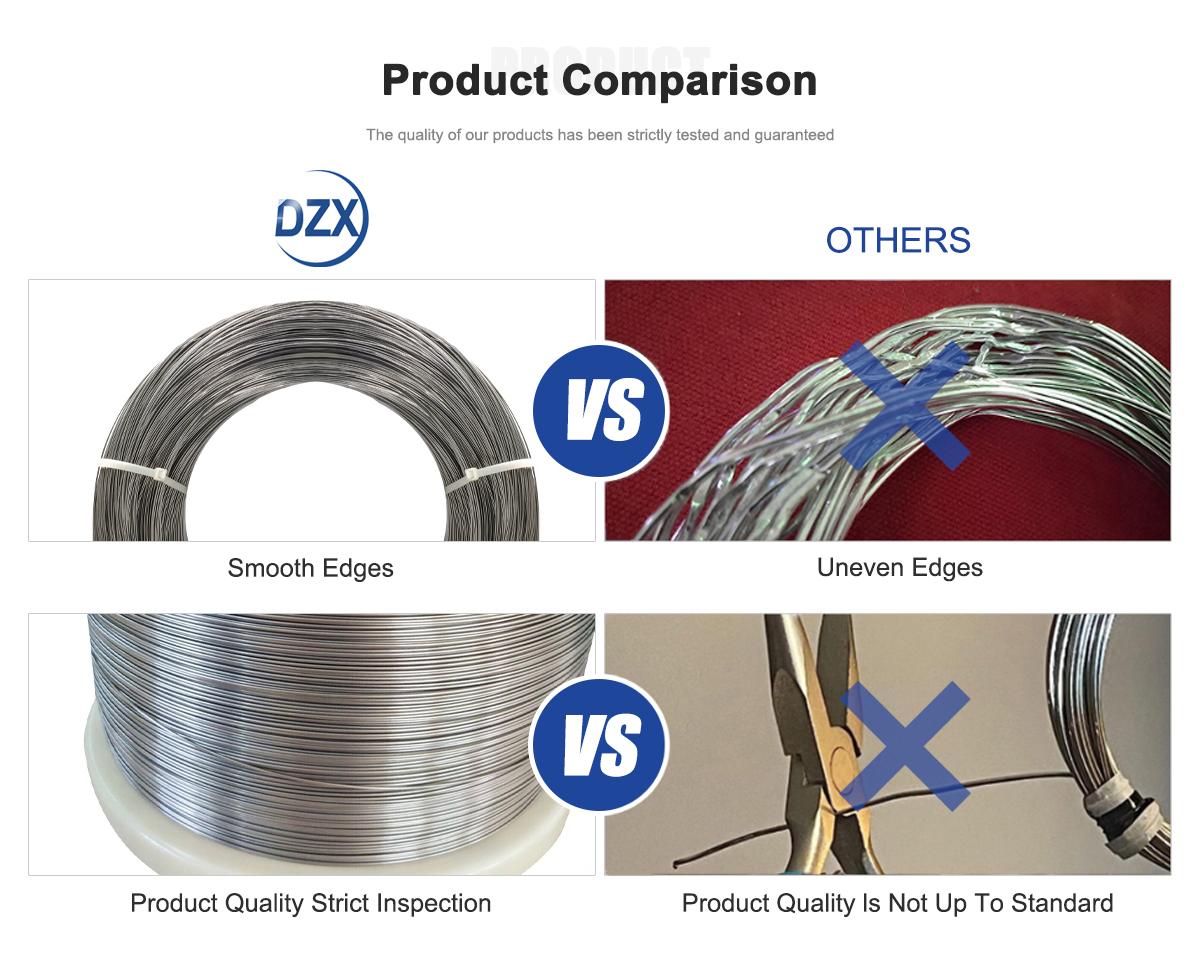
DZX’s advantage lies in precision production, complete traceability, and flexible customization. We maintain strict control of composition, microstructure, and mechanical strength through every production stage. Customers value our ability to deliver both small trial batches and large-scale production quickly, backed by a responsive technical support team.
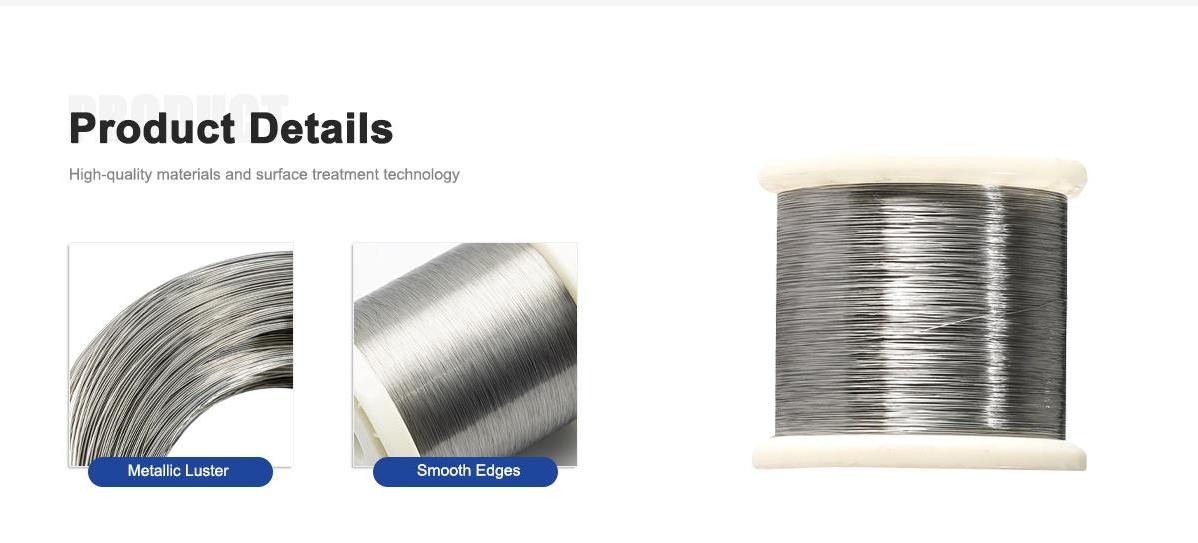
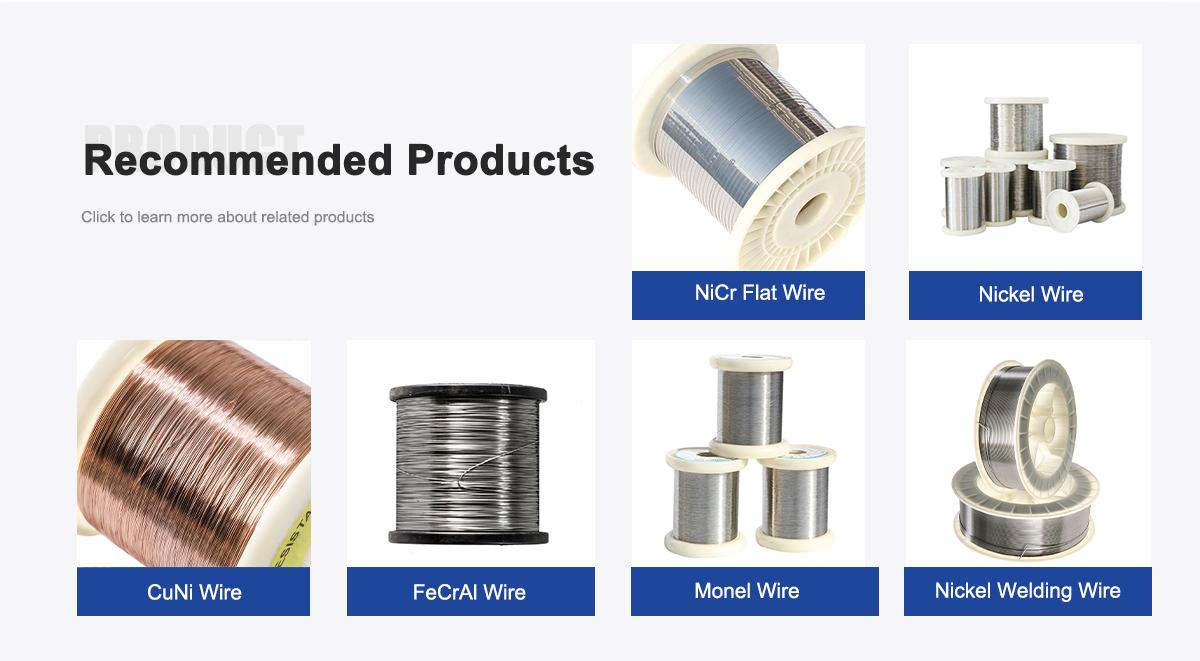
We also offer FeCrAl wires in strip and ribbon forms for different heating devices. The materials are tested for surface oxidation resistance, resistivity stability, and tensile strength to ensure consistent performance. Every spool leaving our factory is inspected under strict quality standards to meet the global industrial heating requirements.
In short, FeCrAl alloy wire has become more than just a heating material—it’s a vital part of modern electric heating innovation. At DZX, we are proud to provide materials that push industrial performance forward, helping manufacturers achieve higher temperature efficiency, reliability, and safety.
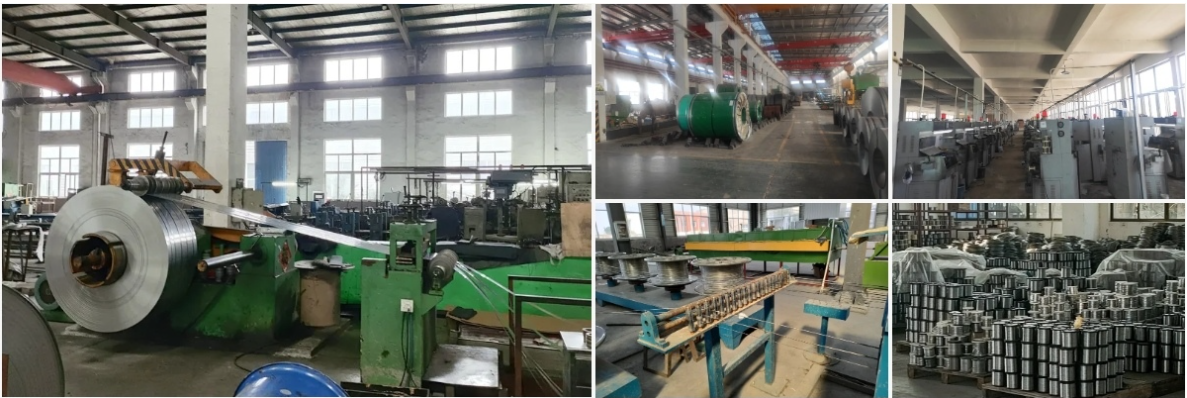
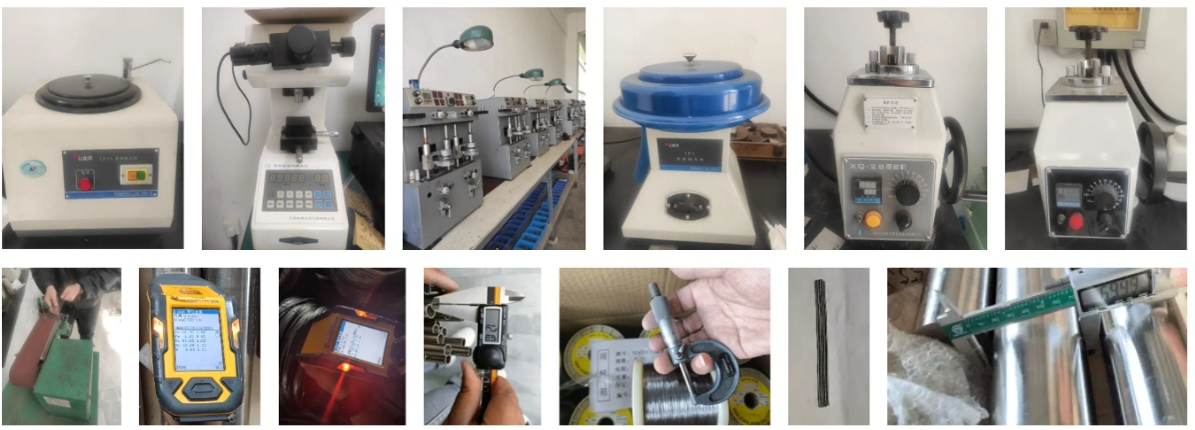
Our 12,000㎡ factory is equipped with complete capabilities for research, production, testing, and packaging. We strictly adhere to ISO 9001 standards in our production processes, with an annual output of 1,200 tons. This ensures that we meet both quantity and quality demands. Furthermore, all products undergo rigorous simulated environment testing including high temperature, high pressure, and corrosion tests before being dispatched, ensuring they meet customer specifications.For all our clients, we offer timely and multilingual after-sales support and technical consulting, helping you resolve any issues swiftly and efficiently.
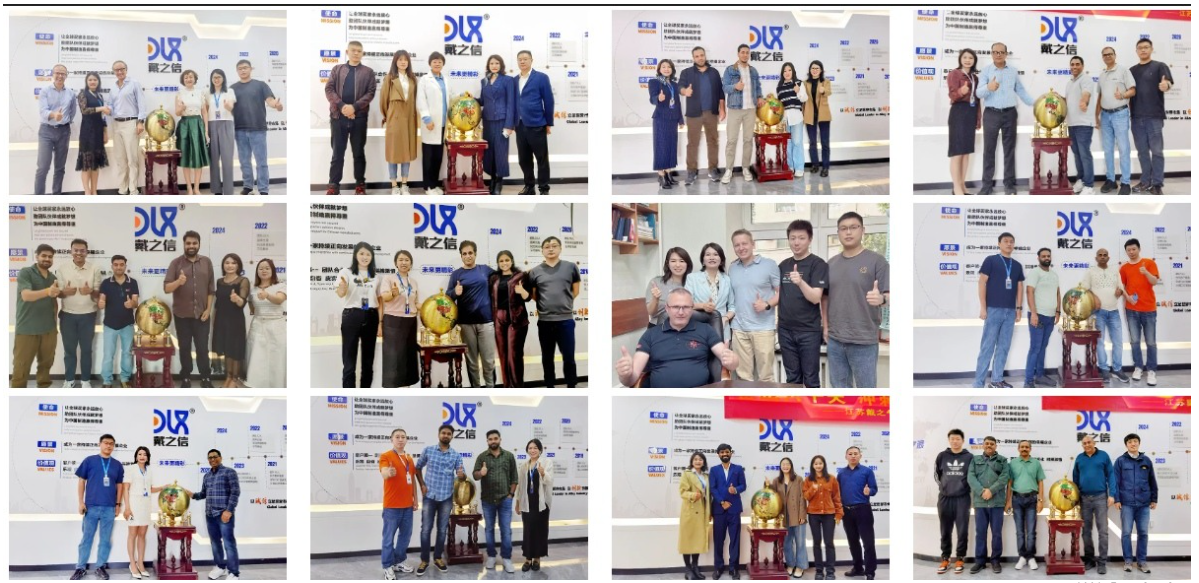
Client Visits
Building Stronger Partnerships
We support all kinds of testing:
1. What is FeCrAl alloy wire made of?
It’s mainly composed of iron, chromium, and aluminum, forming a stable oxide layer that provides strong oxidation resistance at high temperatures.
2. What temperature can FeCrAl wire operate at?
It can function continuously at temperatures up to 1400°C, depending on the grade and environment.
3. What are the advantages of FeCrAl compared with Nichrome?
FeCrAl has higher maximum operating temperature, better oxidation resistance, and a lower material cost, though it’s slightly more brittle than Nichrome.
4. Can FeCrAl wire be used in open-air heating elements?
Yes. Its aluminum oxide film protects it against oxidation even when exposed to air at high heat.
5. What standards does DZX follow for FeCrAl wire production?
DZX manufactures according to ASTM, DIN, GB/T, and ISO standards, ensuring consistent quality and precise resistance control.
6. How is FeCrAl wire typically formed and supplied?
It is supplied in wire coils, spools, or straight-cut lengths, with diameters ranging from 0.1mm to 10mm.
7. Does DZX offer customized resistance values or sizes?
Yes. DZX supports custom wire diameters, resistivity, and surface treatments according to client specifications.
8. What are the typical industries using FeCrAl wire?
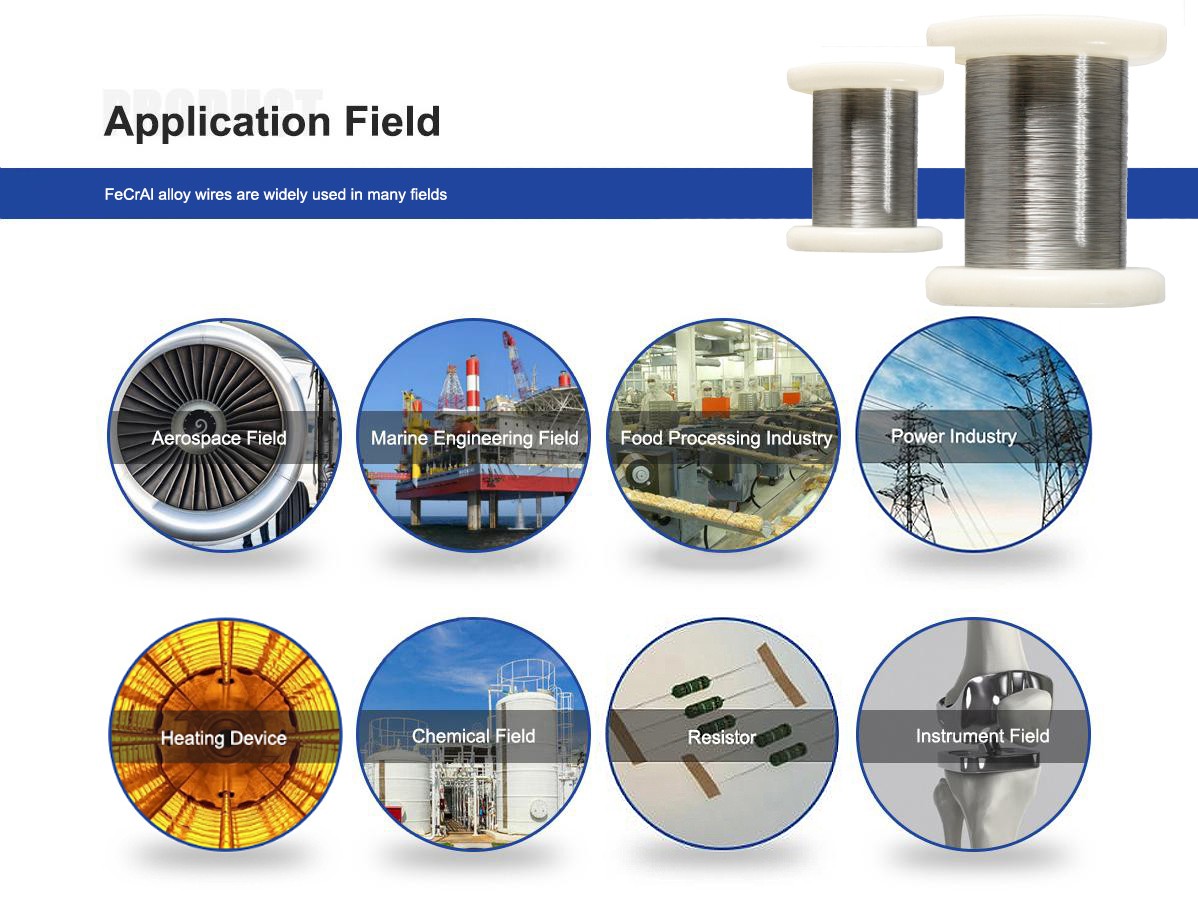
It’s widely used in metallurgy, ceramics, electronics, glass, and heating appliance industries.


